Travertine
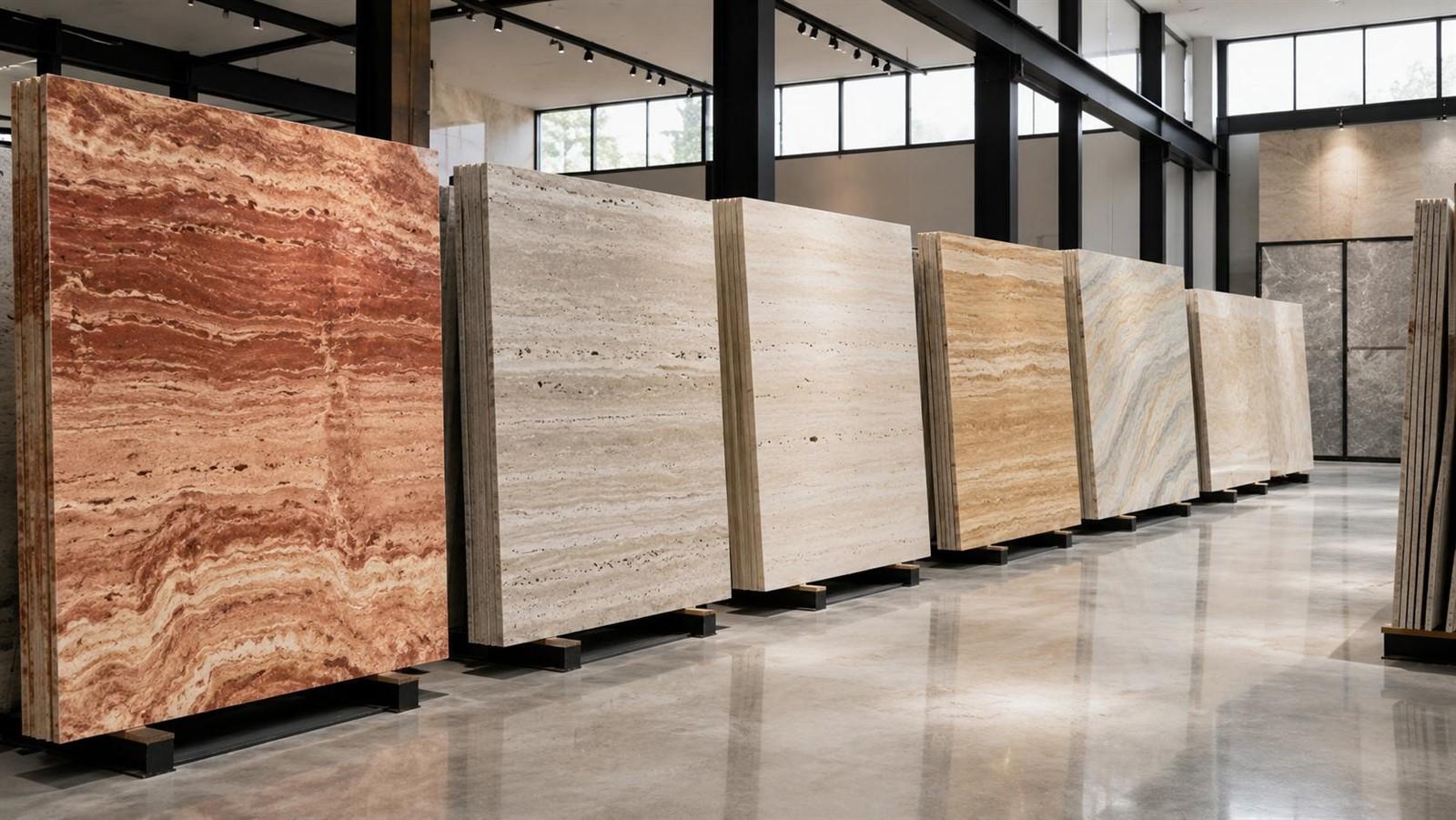
Everything You Need to Know About Travertine Stone
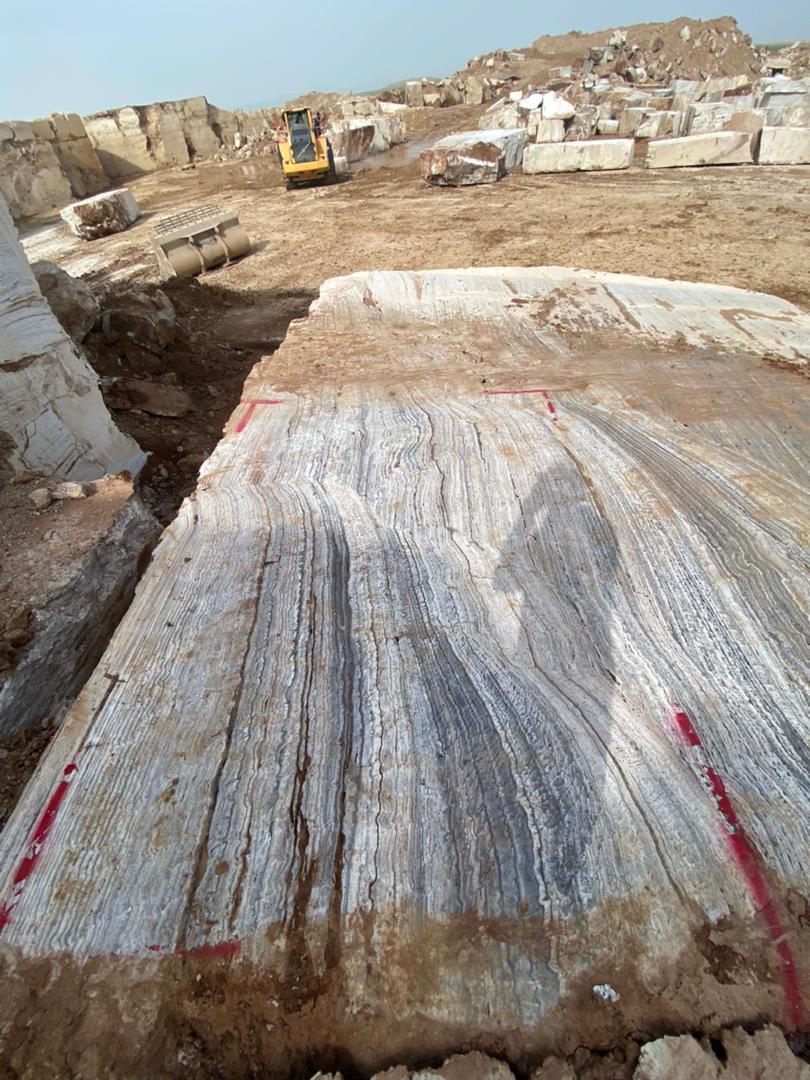
Travertine is a natural sedimentary stone formed mainly around hot springs and mineral-rich water sources. Its natural pores, variety of colors, and excellent workability make it a popular material in architecture and construction.
Key Features of Travertine
Natural and unique appearance
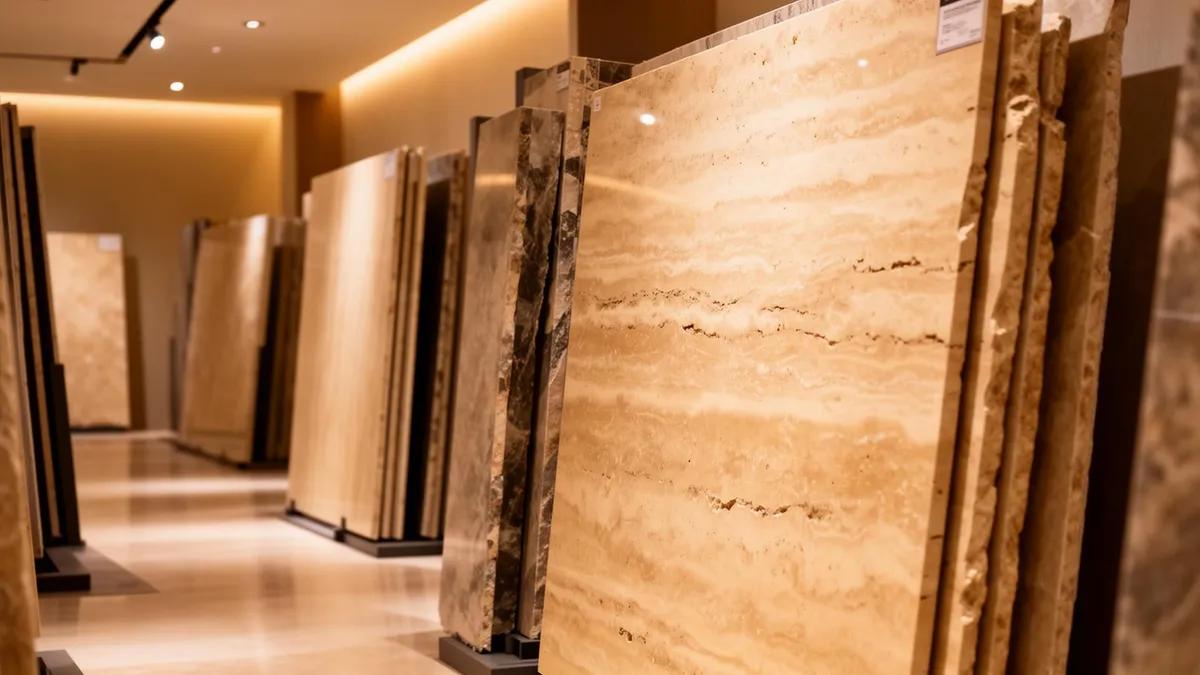
Wide range of colors, from white and cream to beige, honey, and brown
Easy to cut and process
Natural porosity and good bonding properties for certain facade applications
Suitable for both modern and classic architecture
Main Applications
Travertine is widely used in different parts of a building:
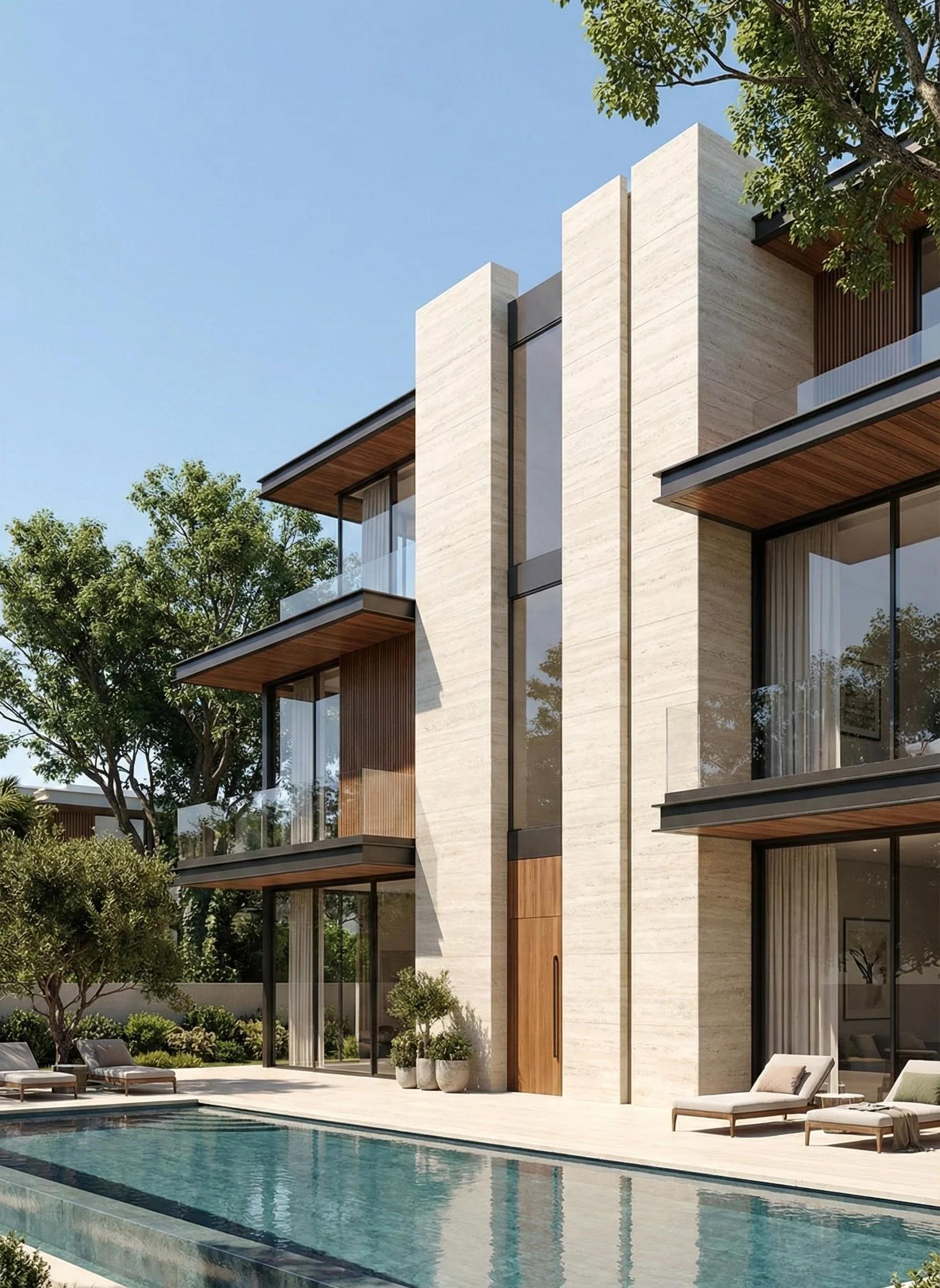
Building Facades | Flooring | Wall Cladding | Staircases | Lobbies | Landscaping | Fireplaces | Interior Spaces
Travertine Cutting Patterns
Vein Cut:
The natural veins appear as clear, continuous lines, making this cut particularly suitable for modern architectural designs.
Cross Cut:
The natural pattern appears more cloudy and organic, creating a more uniform visual effect.
Travertine FinishesTravertine can be supplied with different surface finishes:
Polished: Smooth and glossy
Honed: Smooth and matte
Brushed: Textured and natural
Tumbled: Aged and traditional appearance
Sandblasted: Matte surface with increased texture and slip resistance
What to Consider When Choosing Travertine
When selecting travertine, appearance is important, but technical specifications should also be considered:
Color & Pattern | Water Absorption | Density | Compressive Strength | Flexural Strength | Thickness | Finish | Size | Application
For stone purchasing and international projects, providing technical specifications, actual stone images, and samples can help buyers make a confident decision.
Why Travertine?
Travertine combines natural beauty, versatility, workability, and a wide range of applications. It can be used in residential and commercial projects, hotels, and architectural developments.