Marble

Everything You Need to Know About Marble Stone
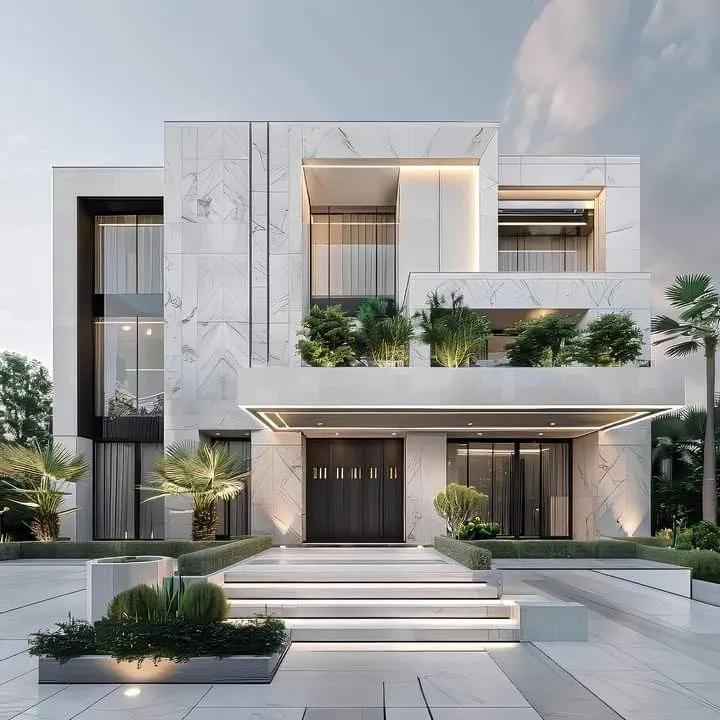
Marble is a natural metamorphic stone formed mainly through the recrystallization of carbonate rocks under heat and pressure deep within the Earth. Its natural patterns, unique veins, and ability to achieve a smooth polished surface make marble one of the most popular stones in architecture and interior design.
Key Features of Marble
Luxurious and natural appearance
Unique veins and patterns
Wide range of colors and designs
Excellent polishing capability
Ideal for modern and luxury designs
Suitable for interior spaces and certain exterior applications
Good cutting and processing capability
Main Applications
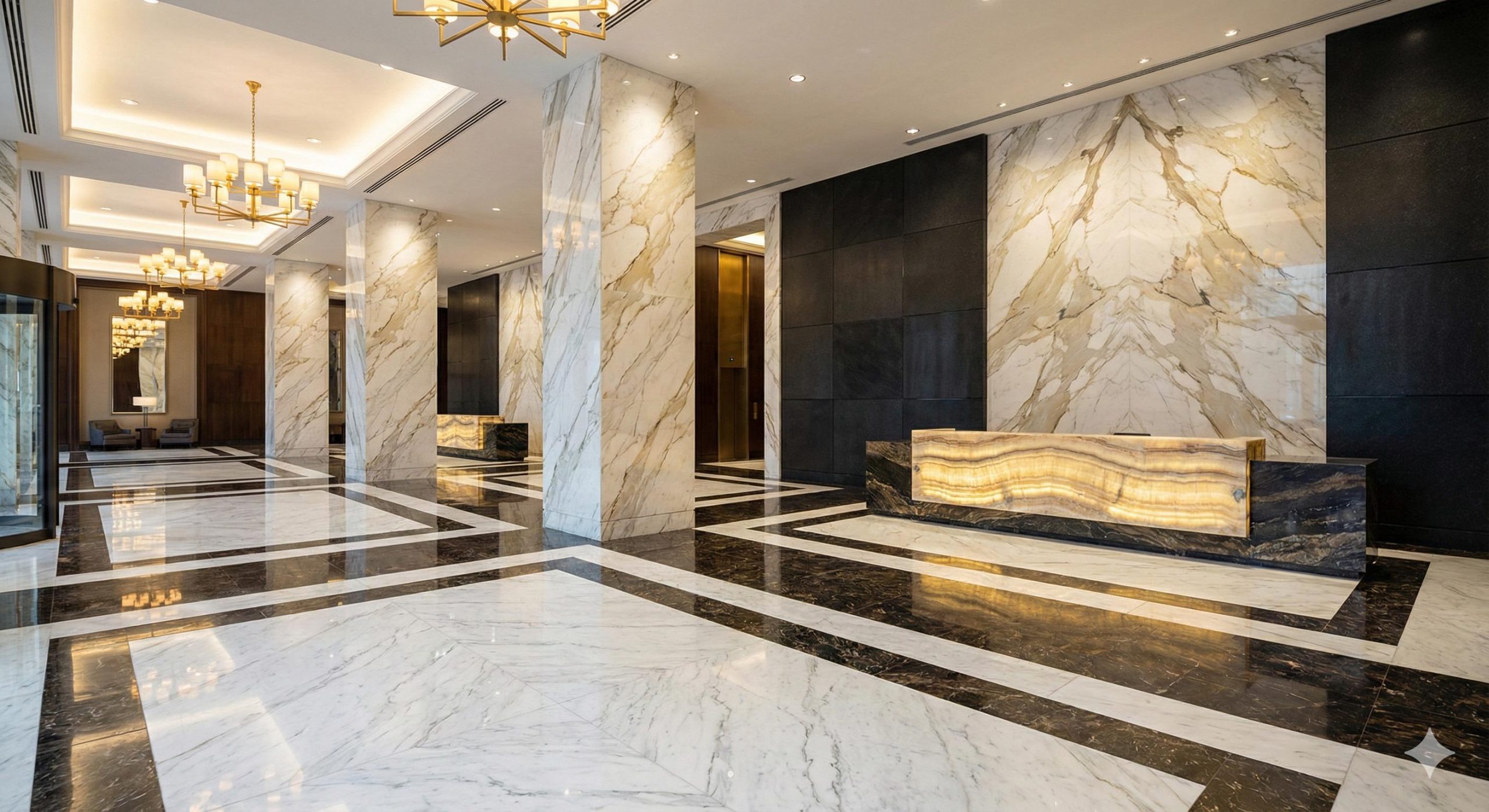
Marble is widely used in architecture and interior design:
Flooring | Wall Cladding | Lobbies | Staircases | Countertops | Bathrooms | Fireplaces | Decorative Elements | Luxury Interiors
Marble Finishes
Marble can be supplied with different surface finishes:
Polished: Smooth and glossy
Honed: Smooth and matte
Brushed: Textured and natural
Leathered: Textured and semi-matte
Sandblasted: Matte and textured
Colors and Patterns
Marble is available in a wide range of natural colors, including:
White | Cream | Grey | Black | Green | Pink | Red | Brown
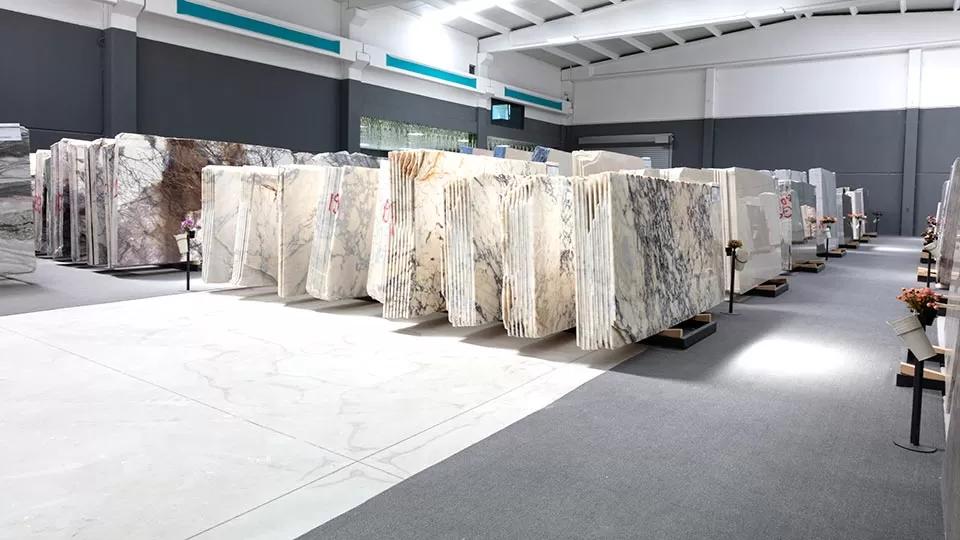
The natural veins and patterns of marble make each slab unique, creating a distinctive appearance for every project.
What to Consider When Choosing Marble
In addition to appearance, the technical specifications and application should be considered:
Color & Pattern | Water Absorption | Density | Compressive Strength | Flexural Strength | Abrasion Resistance | Thickness | Finish | Size | Application
For international projects, providing actual slab images, stone samples, and technical specifications can help buyers make a confident decision.
Why Marble?
Marble is a popular choice for architectural and interior design projects because of its natural beauty, unique veining, excellent polishing capability, and luxurious appearance.
The right marble should be selected based on the type of project, application, environmental conditions, and technical specifications of the stone.