Onyx
Everything You Need to Know About Onyx Stone
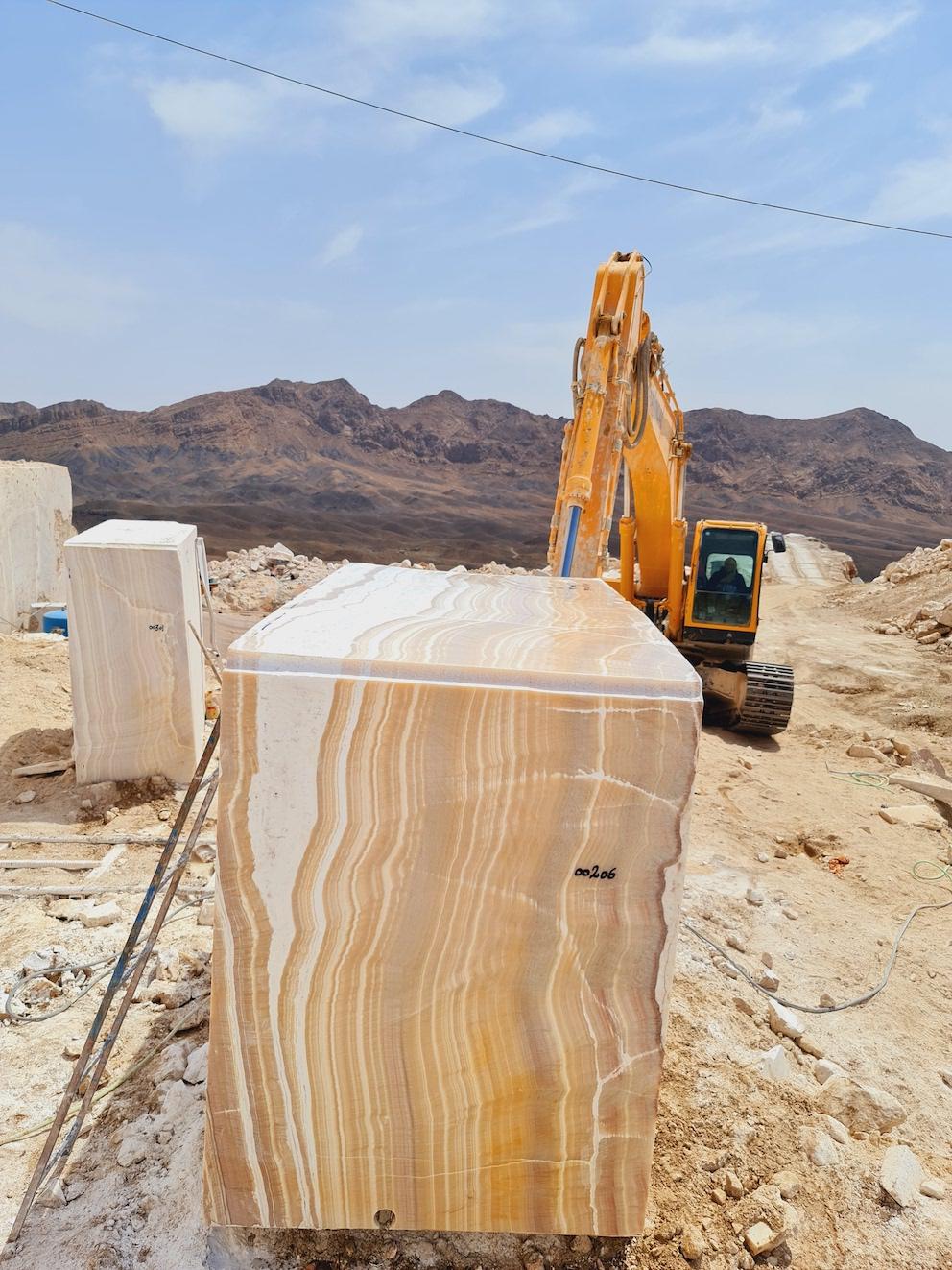
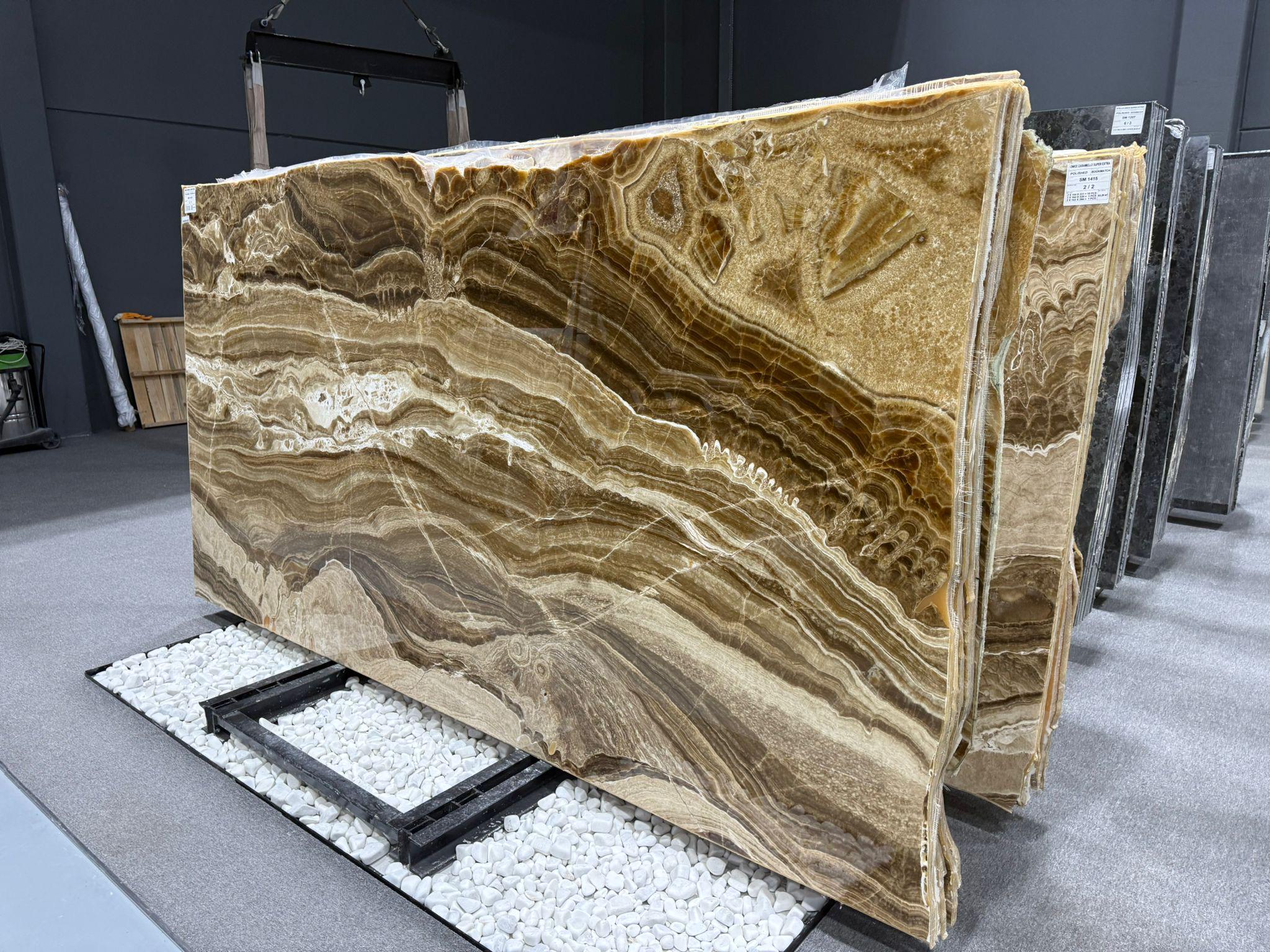
Onyx is a natural stone known for its luxurious appearance, distinctive patterns, and unique color variations. Its natural veining and, in many varieties, translucent character make it a special material for luxury architecture and interior design.
Key Features of Onyx
Luxurious and distinctive appearance
Unique natural veins and patterns
Wide range of colors and designs
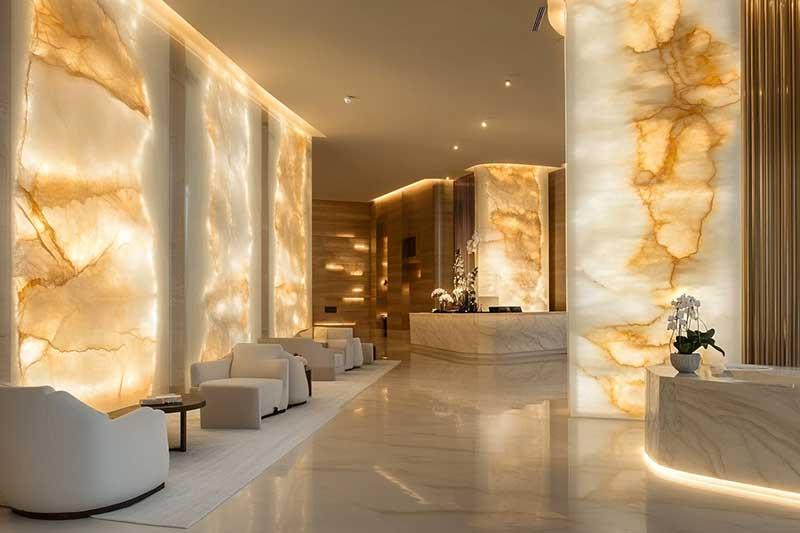
Translucent character in many varieties
Excellent polishing capability
Ideal for luxury and decorative applications
Good cutting and processing capability
Main Applications
Onyx is mainly used in spaces where visual impact and design are important:
Wall Cladding | Lobbies | Countertops | Tables | Fireplaces | Feature Walls | Hotels | Restaurants | Luxury Interiors
Onyx Finishes
Onyx can be supplied with different surface finishes:
Polished: Smooth and glossy
Honed: Smooth and matte
Brushed: Textured and natural
Leathered: Textured and semi-matte
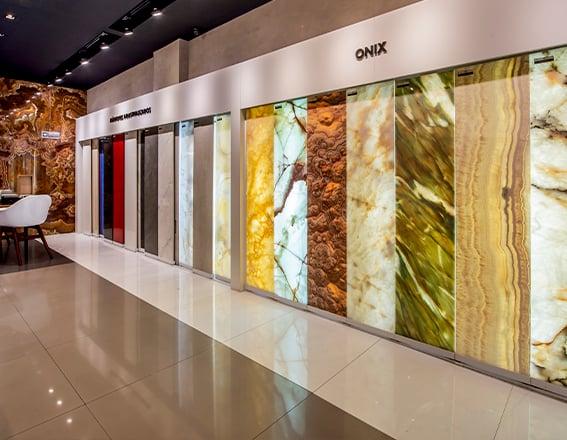
Colors and Patterns
Onyx is available in a wide range of natural colors and patterns, including:
White | Cream | Honey | Yellow | Green | Pink | Red | Brown
The natural veining and translucency of certain onyx varieties allow designers to create highly distinctive and decorative surfaces.
What to Consider When Choosing Onyx
When selecting onyx, both appearance and technical characteristics should be considered:
Color & Pattern | Translucency | Water Absorption | Density | Strength | Thickness | Finish | Size | Application
For luxury projects, reviewing actual slab images, stone samples, and vein layouts is particularly important.
Why Onyx?
Onyx is a premium choice for luxury architecture and interior design because of its unique natural beauty, distinctive veining, rich colors, and translucent character in many varieties.
The right onyx should be selected based on the type of project, application, visual characteristics, and technical properties of the stone.