Granite
Everything You Need to Know About Granite Stone
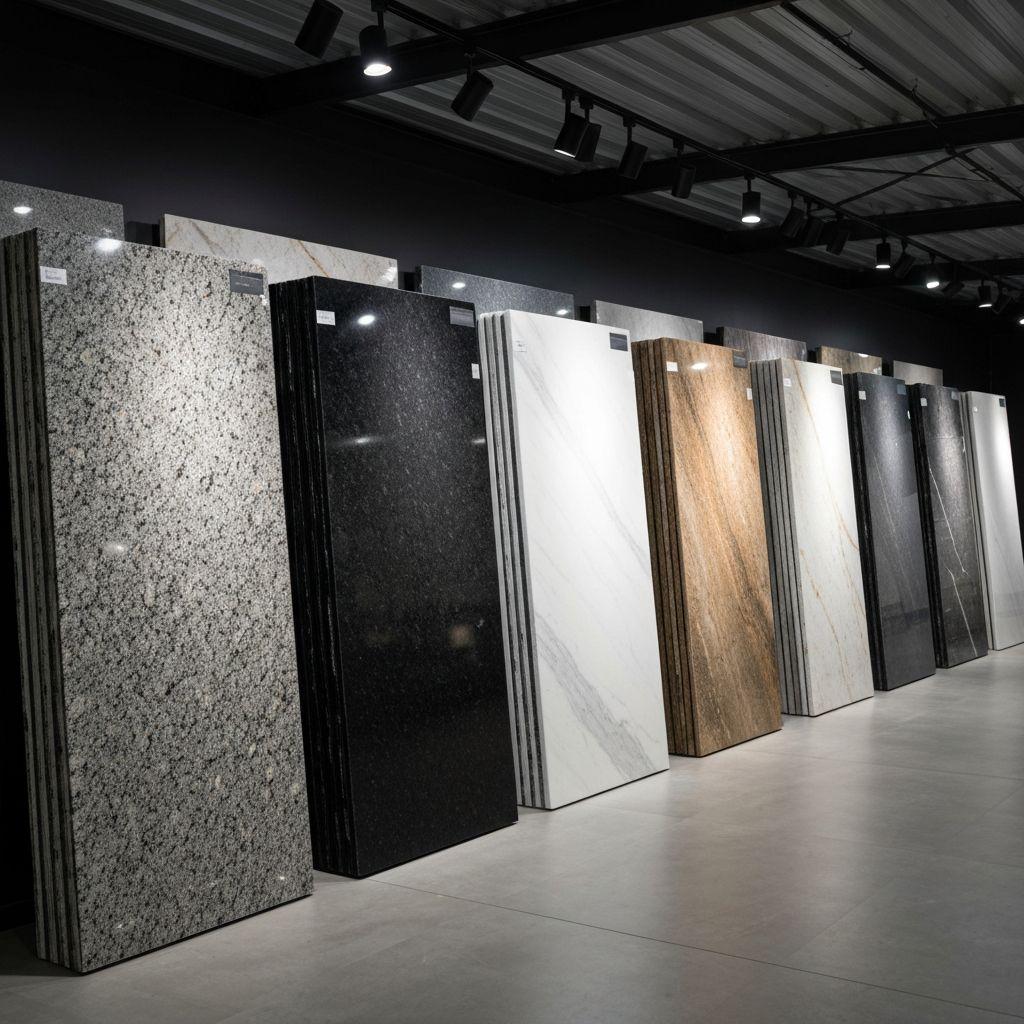
Granite is a natural igneous stone formed by the cooling and crystallization of molten material deep within the Earth. Its high strength, durability, and variety of colors and patterns make granite an important natural stone for architecture and construction.
Key Features of Granite:
High strength and durability
Excellent resistance to wear and scratching
High density and hardness
Relatively low water absorption in many types
Good resistance to weather conditions
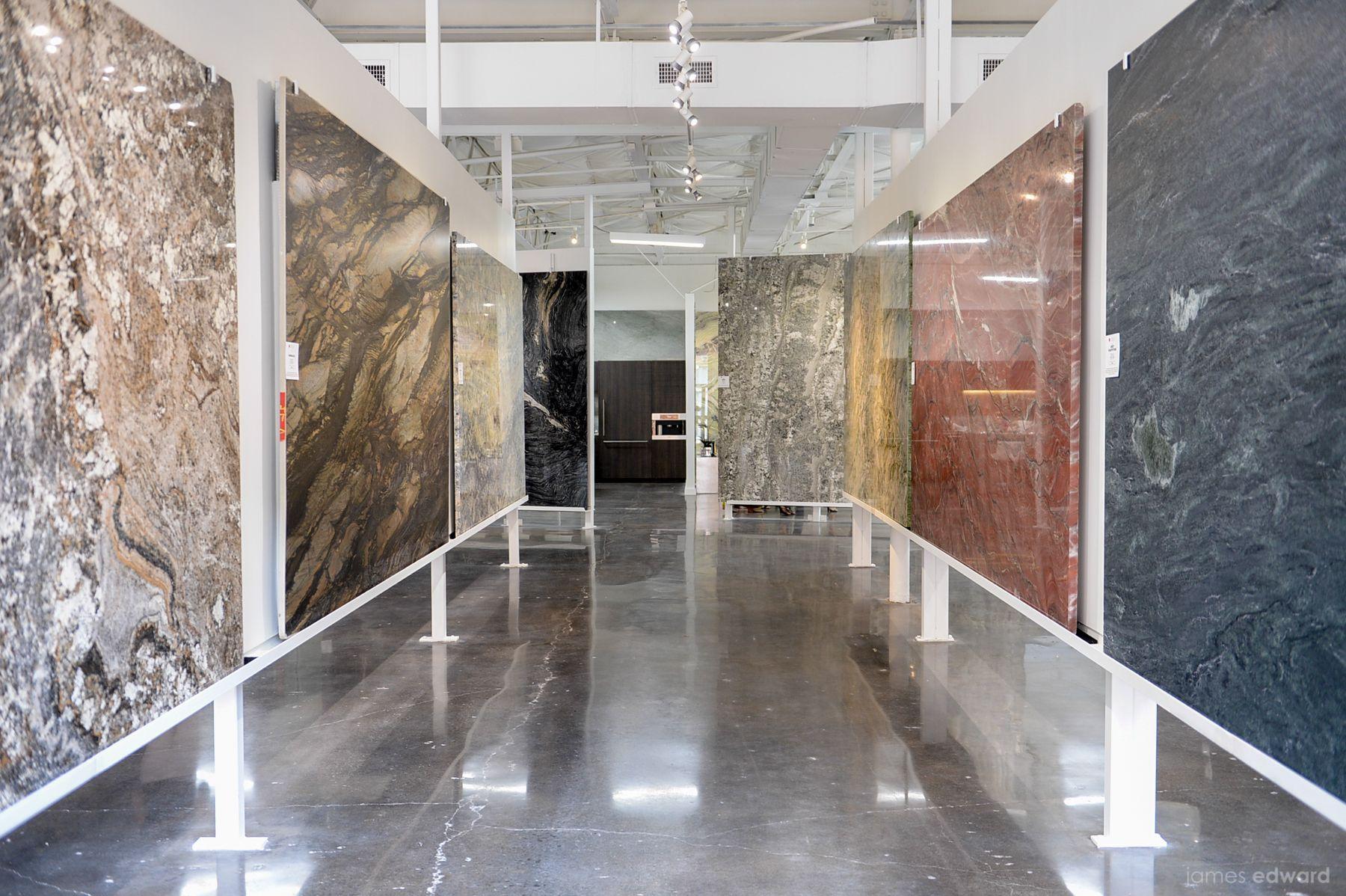
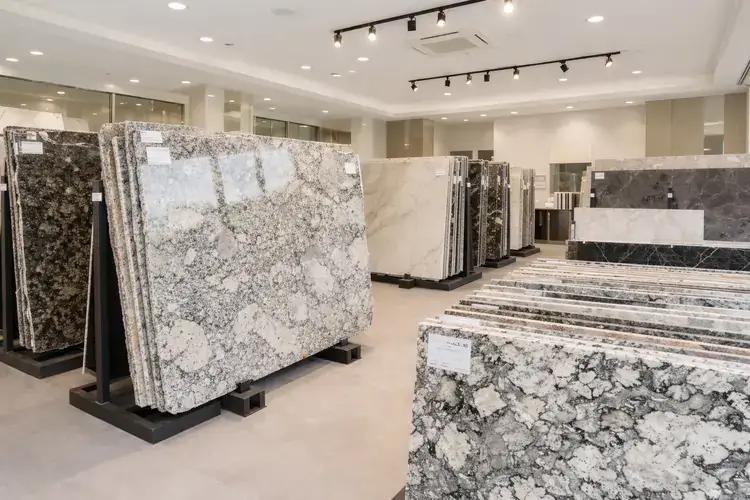
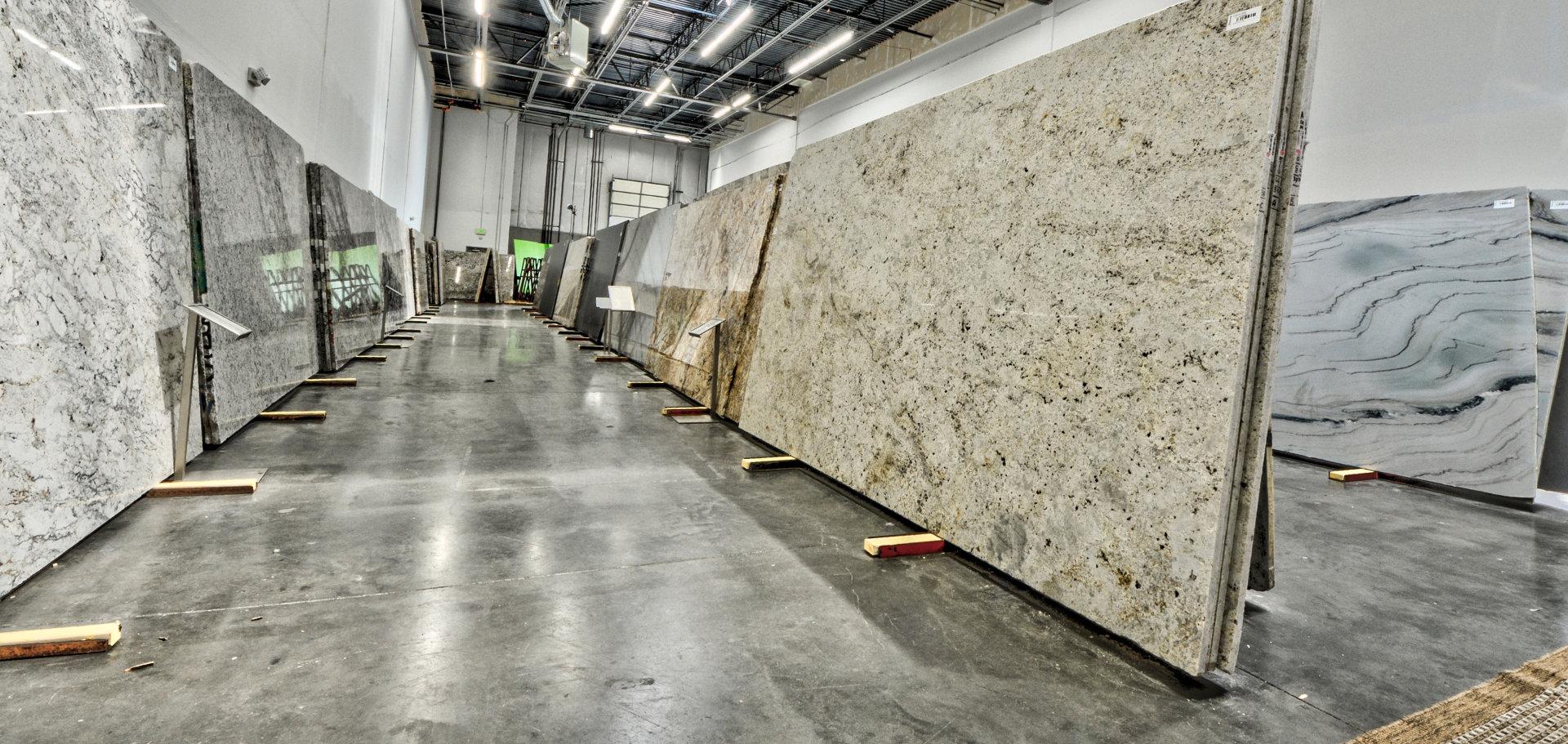
Wide range of colors and grain patterns
Suitable for both modern and classic architecture
Main Applications
Granite is widely used in different areas of architecture and construction:
Building Facades | Flooring | Staircases | Countertops | Wall Cladding | Landscaping | Paving | Commercial & Public Projects
Granite Finishes
Granite can be supplied with different surface finishes depending on the application:
Polished: Smooth and glossy
Honed: Smooth and matte
Flamed: Heat-treated and textured
Bush Hammered: Rough and textured
Leathered: Textured and semi-matteColors and Patterns
Granite is available in a wide range of natural colors and patterns, including:
White | Grey | Black | Cream | Pink | Red | Green
The mineral composition and grain structure vary from one granite type to another, creating a unique natural appearance.
What to Consider When Choosing Granite
In addition to appearance, the technical specifications of the stone should be considered:
Color & Pattern | Water Absorption | Density | Compressive Strength | Flexural Strength | Abrasion Resistance | Thickness | Finish | Size | Application
Why Granite?
Granite is an excellent choice for projects that require a strong, durable, hard-wearing, and low-maintenance natural stone
The right granite should be selected based on the type of project, environmental conditions, traffic level, and technical specifications of the stone.